
Tell Me
I wrote this poem in search of a better tomorrow

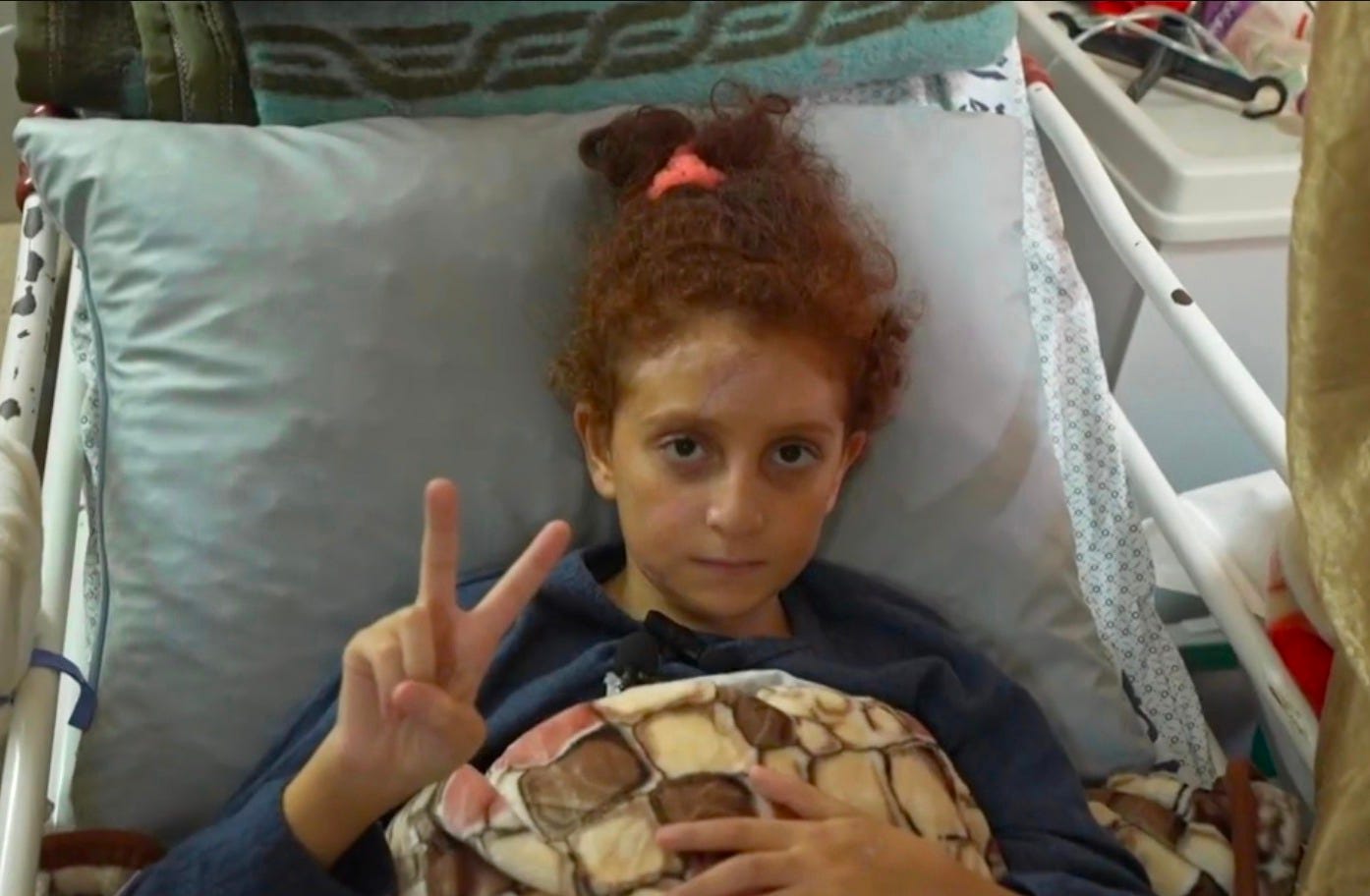
I wrote this poem in search of a better tomorrow and read it aloud at a celebration of Yom Kippur hosted by Jewish Voice for Peace in Madison, Wisconsin.
Tell me
all those mothers and daughters
fathers and sons, oldest and youngest
have not died in vain

Tell me
there will be whole beings
left to walk forward
out of this mess of injustice

Tell me
the weak have power
can change the world
that might will not supersede human rights

Tell me
the dispossessed will once again
be on their land,
grow khas and sabanikh, simsim and batikha [1]

Tell me
the stones of the land
will only cover homes [2]
no need to fly from fists

Tell me
mothers will carry their children
instead of children
carrying jugs of water

Tell me
evening strolls will take in
the scent of jasmine
not the stench of death

Tell me
fireworks will light up the sky
over celebrations of love and life
not bombs of death and destruction

Tell me
that overcrowded streets are bustling markets
not the relocation and concentration
of the displaced yet again

Tell me
schools will be filled with students
not those seeking shelter
when nowhere is safe

Tell me
hospitals will offer healing
not house the homeless, performing
C-sections and amputations without anesthesia

Tell me
babies will be born to term
live their lives as children, as teens
not die as WCNSF [3]

Tell me
there is clean water
to drink, flush, and wash
rather than sewage in the streets

Tell me
there are shoes, clothes, and scarves
rubble free roads,
a roof, not bombs, overhead

Tell me
there is food and fuel
shops and services
not starvation in the dark

Tell me
the only buzzing I hear are bees
the roar waves crashing onto shore
airstrikes no more

Tell me
from now on children
get to keep their limbs and faces
shake no more from fright

Tell me
we can bury our dead with dignity
not wonder who still lives
beneath the rubble

Tell me
this nightmare will end,
not in surrender and silence
but freedom from the river to the sea

Tell me
why so many must die
to prove we deserve
to live


[1] Khas (romaine) and sabanikh (spinach) are winter harvests, simsim (sesame) and batikha (watermelon) are summer harvests.
[2] Palestinian homes are ‘dressed in stone’ (labis hajr) meaning the outmost layer of the home is covered in cut stone. Stone quarries are a major industry in Palestine. Different regions of Palestine are known for their unique color variations of stone. The destroyed village of Deir Yassin, the site of a massacre on April 9, 1948, was famous for its rose-colored stone quarries.
[3] So many children are the only survivors of Israeli airstrikes in their families, giving them the label Wounded Child, No Surviving Family (WCNSF).